
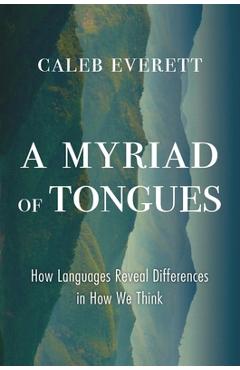
A Myriad of Tongues: How Languages Reveal Differences in How We Think - Caleb Everett
173,30 lei192,56 lei
Ai ajuns la un produs concret. Îți pot spune rapid dacă merită, ce avantaje are și ce alternative similare găsești mai ușor.
Pe scurt: \nA sweeping exploration of the relationship between the language we speak and our perception of such fundamentals of experience as time, space, color, and smells. \n \nWe tend to assume that all languages categorize id…
- Îți pot recomanda rapid produse similare sau alternative mai bune din aceeași zonă.
- Dacă nu e exact ce cauți, putem restrânge imediat opțiunile în funcție de preț, utilizare sau stil.
- Poți deschide oferta din magazin sau poți continua aici conversația pentru comparații și recomandări.
Detalii despre produs
Produse similare pe care le poți explora

The Ancient Art of Thinking for Yourself: The Power of Rhetoric in Polarized Times - Robin Reames
How rhetoric-the art of persuasion-can help us navigate an age of misinformation, conspiracy theories, and political ac…
167,40 lei 186,00 lei
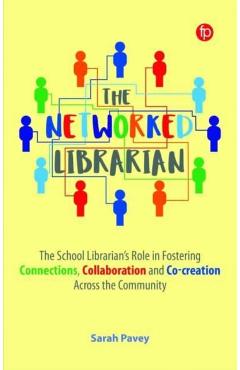
The Networked Librarian: The School Librarians Role in Fostering Connections, Collaboration and Co-Creation Across the Community - Sarah Pavey
\nSchool librarians need to engage with their staff and community to help define their role, raise their profile and ma…
338,48 lei 376,09 lei
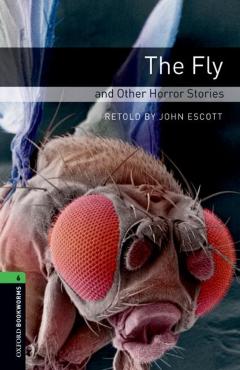
Oxford Bookworms Library: Level 6: The Fly and Other Horror Stories - John Escott
Word count 28,930
115,88 lei 128,76 lei
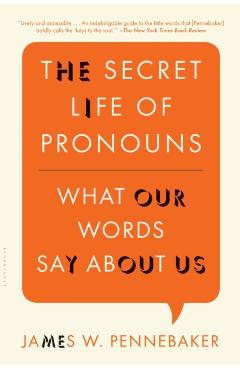
The Secret Life of Pronouns: What Our Words Say about Us - James W. Pennebaker
In The Secret Life of Pronouns, linguistic and social psychologist Pennebaker uses his groundbreaking research in compu…
106,02 lei 117,80 lei
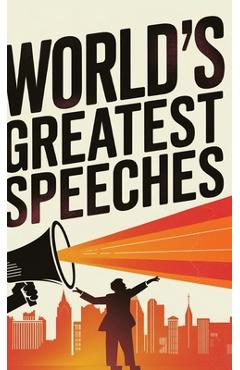
World's Greatest Speeches (Deluxe Hardbound Edition) -
224,55 lei 249,50 lei
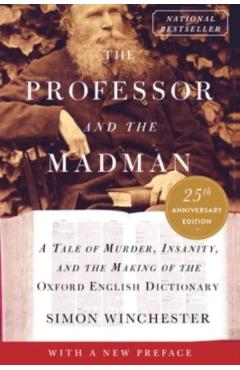
The Professor and the Madman: A Tale of Murder, Insanity, and the Making of the Oxford English Dictionary - Simon Winchester
\nMadness, violence, arcane obsessions, weird learning, ghastly comedy, all set out in an atmosphere of po-aced, high n…
105,97 lei 117,74 lei