
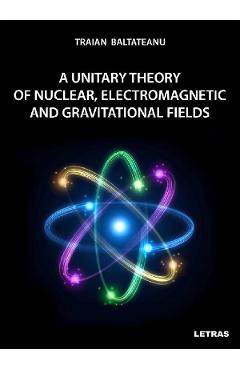
eBook A unitary theory of nuclear, electromagnetic and gravitational fields - Traian Baltateanu
50,75 lei
Ai ajuns la un produs concret. Îți pot spune rapid dacă merită, ce avantaje are și ce alternative similare găsești mai ușor.
Pe scurt: This theory physically explains: relativity, gravity, mass, inertia, the notion of antiparticle and antimatter, gravitational waves, the fine structure constant, the formation and stability of atomic nuclei. The theory…
- Îți pot recomanda rapid produse similare sau alternative mai bune din aceeași zonă.
- Dacă nu e exact ce cauți, putem restrânge imediat opțiunile în funcție de preț, utilizare sau stil.
- Poți deschide oferta din magazin sau poți continua aici conversația pentru comparații și recomandări.
Detalii despre produs
Produse similare pe care le poți explora
eBook Tratat de psihologia personalitatii - Mihaela Chraif, Mihai Anitei, Vlad Burtaverde, Teodor Mihaila
Tratatul de fata propune o abordare exhaustiva asupra personalitatii, analizand acest concept din perspectiva curentelo…
71,88 lei
eBook Bazele teoriei atasamentului - Karen Bateson, Katherine Berry, Ruth O Shaughnessy, Rudi Dallos
Ce stim despre atasament? Cum pot fi utilizate in practica psihologica aspectele care explicate in teoria atasamentului…
63,43 lei
eBook Sanatos orice ar fi. Oamenii sunt programati sa se adapteze - Alex Jadad, Tamen Jadad-Garcia
In aceasta carte, Dr. Alex Jadad si fiica sa, Tamen Jadad-Garcia, isi incep explorarea cu o intrebare simpla: Ce este s…
47,00 lei
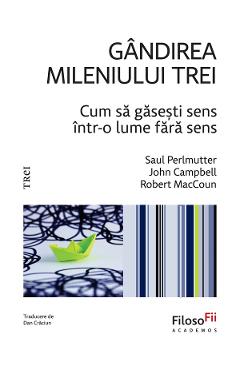
eBook Gandirea mileniului trei - Robert MacCoun, John Campbell, Saul Perlmutter
Bazat pe un curs extrem de popular de la Universitatea din California, Berkeley, volumul de fata ne arata cum putem fol…
52,00 lei

eBook Origini. 14 miliarde de ani de evolutie cosmica - Neil deGrasse Tyson, Donald Goldsmith
Adevaratele noastre origini nu sunt doar umane, nici macar terestre, ci cosmice. Inspirandu-se din cele mai recente des…
41,23 lei
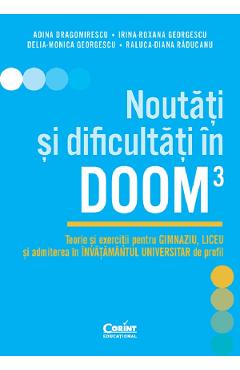
eBook Noutati si dificultati in DOOM3 - Adina Dragomirescu, Irina-Roxana Georgescu, Delia-Monica Georgescu, Raluca-Diana Raducanu
Noutati si dificultati in DOOM3. Teorie si exercitii pentru gimnaziu, liceu si admiterea in invatamantul universitar de…
25,00 lei