
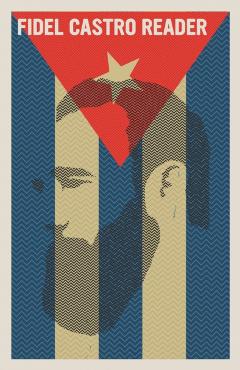
Fidel Castro Reader - Fidel Castro
139,22 lei154,69 lei
Ai ajuns la un produs concret. Îți pot spune rapid dacă merită, ce avantaje are și ce alternative similare găsești mai ușor.
Pe scurt: Fidel Castro Ruz was born in Birán, in the former province of Oriente, on August 13, 1926. Born into a well-off landowning family, he received his primary education in a rural school, later attended private Jesuit schoo…
- Îți pot recomanda rapid produse similare sau alternative mai bune din aceeași zonă.
- Dacă nu e exact ce cauți, putem restrânge imediat opțiunile în funcție de preț, utilizare sau stil.
- Poți deschide oferta din magazin sau poți continua aici conversația pentru comparații și recomandări.
Detalii despre produs
Produse similare pe care le poți explora
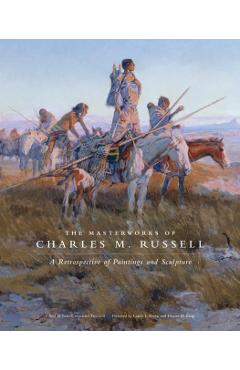
The Masterworks of Charles M. Russell, Volume 6: A Retrospective of Paintings and Sculpture - Joan Carpenter Troccoli
\n \nIn the decades bracketing the turn of the twentieth century, Charles M. Russell depicted the American West in a fr…
376,65 lei 418,50 lei
From the Ashes: Grief and Revolution in a World on Fire - Sarah Jaffe
\nFrom the author of Work Won't Love You Back, a stirring examination of how collective grief can ignite powerful chang…
181,44 lei 201,60 lei

On Shoreless Sea: The MS St. Louis Refugee Ship in History, Film, and Popular Memory - Roy Grundmann
\nCombines new archival research with innovative theory to reassess the ship's dramatic voyage and analyze its represen…
178,26 lei 198,07 lei

Lost Technologies of Ancient Egypt: Advanced Engineering in the Temples of the Pharaohs - Christopher Dunn
\nA unique study of the engineering and tools used to create Egyptian monuments \n- Presents a stone-by-stone analysis…
139,50 lei 155,00 lei

The Aztec Empire: An Enthralling Overview of the History of the Aztecs, Starting with the Settlement in the Valley of Mexico - Enthralling History
\n If you are curious about how the extraordinary Aztecs lived and ran their empire, then keep reading! The remarkable…
167,35 lei 185,94 lei
The Day Lincoln Was Shot - Jim Bishop
Well-known journalist and historian Jim Bishop begins this book at 7:00 a.m., April 14, 1865, with Lincoln emerging fro…
113,03 lei 125,59 lei