
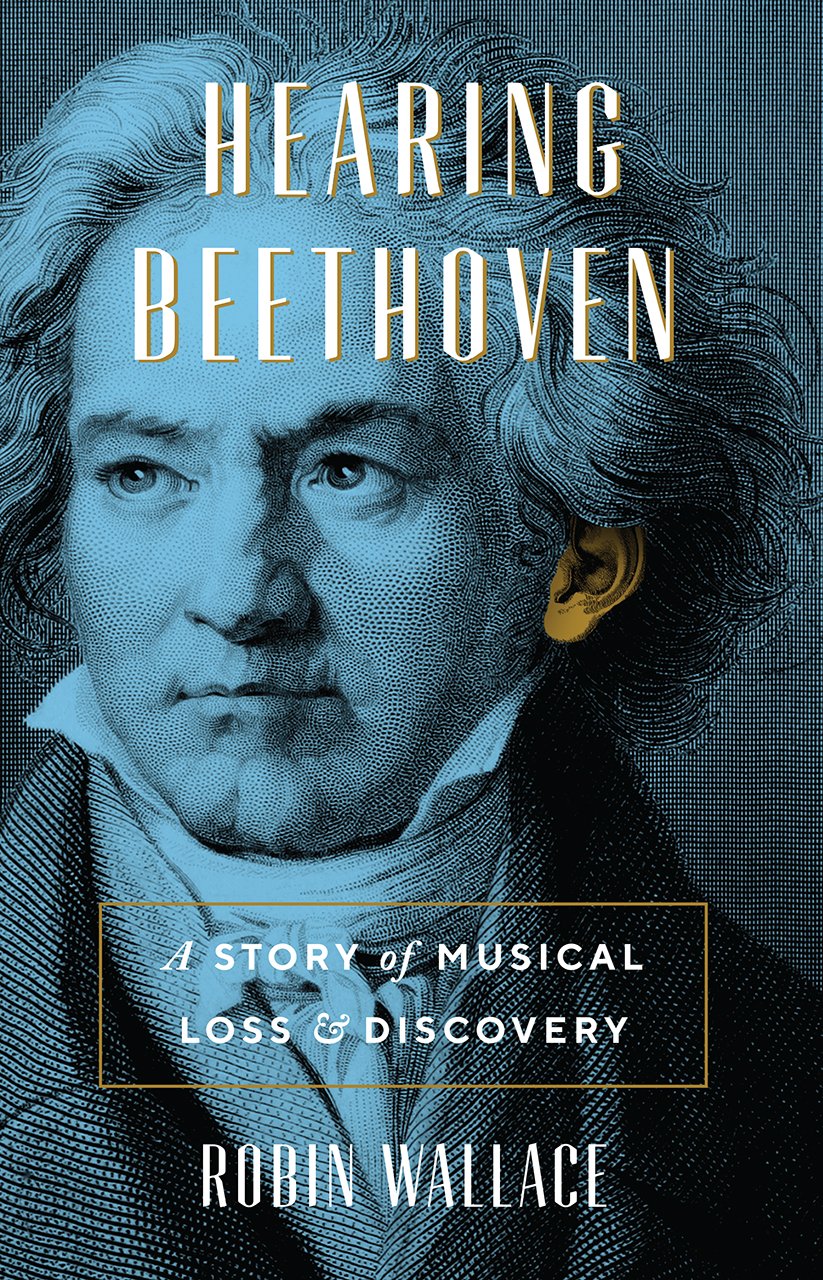
Hearing Beethoven | Robin Wallace
121,00 lei
Ai ajuns la un produs concret. Îți pot spune rapid dacă merită, ce avantaje are și ce alternative similare găsești mai ușor.
Pe scurt: We’re all familiar with the image of a fierce and scowling Beethoven, struggling doggedly to overcome his rapidly progressing deafness. That Beethoven continued to play and compose for more than a decade after he lost h…
- Îți pot recomanda rapid produse similare sau alternative mai bune din aceeași zonă.
- Dacă nu e exact ce cauți, putem restrânge imediat opțiunile în funcție de preț, utilizare sau stil.
- Poți deschide oferta din magazin sau poți continua aici conversația pentru comparații și recomandări.
Detalii despre produs
We’re all familiar with the image of a fierce and scowling Beethoven, struggling doggedly to overcome his rapidly progressing deafness. That Beethoven continued to play and compose for more than a decade after he lost his hearing is often seen as an act of superhuman heroism. But the truth is that Beethoven’s response to his deafness was entirely human. And by demystifying what he did, we can learn a great deal about Beethoven’s music. Perhaps no one is better positioned to help us do so than Robin Wallace, who not only has dedicated his life to the music of Beethoven but also has close personal experience with deafness. One day, at the age of forty-four, Wallace’s late wife, Barbara, found she couldn’t hear out of her right ear—the result of radiation administered to treat a brain tumor early in life. Three years later, she lost hearing in her left ear as well. Over the eight and a half years that remained of her life, despite receiving a cochlear implant, Barbara didn’t overcome her deafness or ever function again like a hearing person.Wallace shows here that Beethoven didn’t do those things, either. Rather than heroically overcoming his deafness, as we’re commonly led to believe, Beethoven accomplished something even more difficult and challenging: he adapted to his hearing loss and changed the way he interacted with music, revealing important aspects of its very nature in the process. Creating music became for Beethoven a visual and physical process, emanating from visual cues and from instruments that moved and vibrated. His deafness may have slowed him down, but it also led to works of unsurpassed profundity.Wallace tells the story of Beethoven’s creative life from the inside out, interweaving it with his and Barbara’s experience to reveal aspects that only living with deafness could open up. The resulting insights make Beethoven and his music more accessible, and help us see how a disability can enhance human wholeness and flourishing.
Produse similare pe care le poți explora

Leia Organa | Jennifer Heddle
Leia Organa is one of the Star Wars galaxy's fiercest rebels and greatest heroes-a powerful leader, a force against gal…
43,50 lei 87,00 lei

Sorcerer's Apprentice | Jack Zipes
A diverse new anthology that traces the meaning and magic of the sorcerer's apprentice tale throughout history "The Sor…
99,00 lei

The Quiet Book | Deborah Underwood
The Quiet Book is now available in a cozy padded board book edition! In this irresistibly charming picture book, many d…
60,00 lei

Polar Bear Expedition | James Carl Nelson
In the brutally cold winter of 1919, 5,000 Americans battled the Red Army 600 miles north of Moscow. We have forgotten.…
132,00 lei

L'homme qui plantait des arbres | Jean Giono
En Provence, dans une region aride et sauvage, un berger solitaire plante des arbres, des milliers d'arbres. Au fil des…
43,00 lei

Japan in Early Photographs | Gregoire Mayor, Akiyoshi Tani
The Humbert Collection, containing approximately 140 vintage photographs collected between 1863/64 in Japan, is an inva…
301,00 lei