

Kulliyat-e-Allama Iqbal: All Urdu Poetry of Allama Iqbal - Muhammad Iqbal
223,13 lei247,92 lei
Ai ajuns la un produs concret. Îți pot spune rapid dacă merită, ce avantaje are și ce alternative similare găsești mai ușor.
Pe scurt: Iqbal, Muhammad: - Sir Muhammad Iqbal Kt (Urdu: محمد اقبال; 9 November 1877 - 21 April 1938), was a South Asian Muslim writer, philosopher, and politician, whose poetry in the Urdu language is considered among the great…
- Îți pot recomanda rapid produse similare sau alternative mai bune din aceeași zonă.
- Dacă nu e exact ce cauți, putem restrânge imediat opțiunile în funcție de preț, utilizare sau stil.
- Poți deschide oferta din magazin sau poți continua aici conversația pentru comparații și recomandări.
Detalii despre produs
Produse similare pe care le poți explora
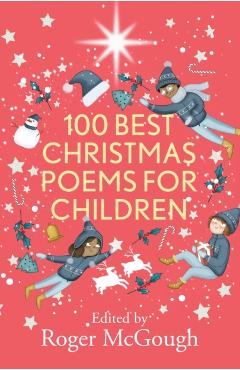
100 Best Christmas Poems for Children - Roger Mcgough
\nFrom traditional verses by Christina Rossetti and Henry Wadsworth Longfellow to modern classics by Carol Ann Duffy,…
78,07 lei 86,74 lei
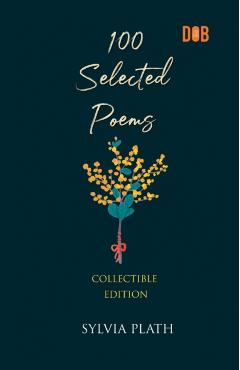
100 Selected Poems, Sylvia Plath - Sylvia Plath
\n \n This books is a collection of poetry by SYLVIA PLATH. He was an American poet, novelist, and short-story writer.…
141,28 lei 156,98 lei
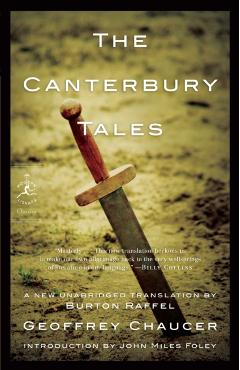
Canterbury Tales, the PB - Geoffrey Chaucer
This unabridged translation features an Introduction by influential medievalist author and professor John Miles Foley t…
133,92 lei 148,80 lei
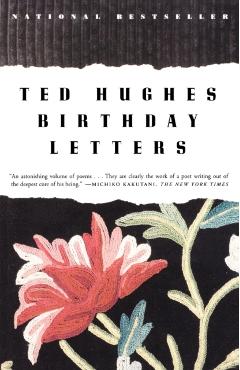
Birthday Letters - Ted Hughes
The past contemporary poet gives an account in 88 poems in letter form of hisromance and the life spent with Sylvia Pla…
106,02 lei 117,80 lei
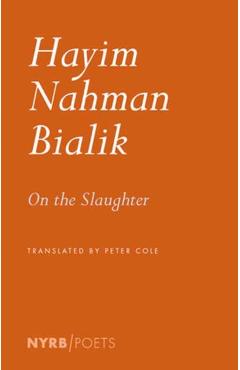
On the Slaughter - Hayim Nahman Bialik
The first comprehensive English translation of a Russian-Jewish master's poetry, from the fiery poems he wrote in the w…
116,58 lei 129,53 lei
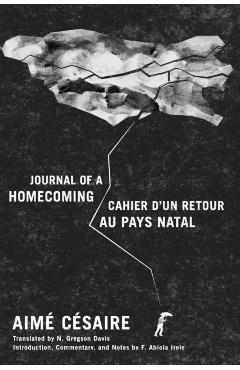
Journal of a Homecoming / Cahier d'Un Retour Au Pays Natal - Aim� C�saire
\nOriginally published in 1939, Aim C saire's Cahier d'un retour au pays natal is a landmark of modern French poetry an…
136,01 lei 151,12 lei