

Memories of Socrates: Memorabilia and Apology - Xenophon
72,26 lei80,29 lei
Ai ajuns la un produs concret. Îți pot spune rapid dacă merită, ce avantaje are și ce alternative similare găsești mai ușor.
Pe scurt: 'Who would you say knows himself?' \nIn 399 BCE Socrates was tried in Athens on charges of irreligion and corruption of the young, convicted, and sentenced to death. Like Plato, an almost exact contemporary, in his yout…
- Îți pot recomanda rapid produse similare sau alternative mai bune din aceeași zonă.
- Dacă nu e exact ce cauți, putem restrânge imediat opțiunile în funcție de preț, utilizare sau stil.
- Poți deschide oferta din magazin sau poți continua aici conversația pentru comparații și recomandări.
Detalii despre produs
Produse similare pe care le poți explora

The Assommoir - Émile Zola
\n 'in this life, even if you don't ask for much you still end up with bugger all!' \nIn a run-down quarter of Paris, G…
66,68 lei 74,09 lei

The Beautiful and Damned - F. Scott Fitzgerald
\nF. Scott Fitzgerald \nWilliam Blazek is Professor of American Literature and Modern Culture at Liverpool Hope Univers…
72,26 lei 80,29 lei

Petroforms: Oil and the Shaping of Nigerian Aesthetics - Helen Kapstein
Helen Kapstein is professor of English at John Jay College, The City University of New York. She is the author of Postc…
164,07 lei 182,30 lei

The Cambridge Introduction to Queer and Trans Studies - Mark Rifkin
Rifkin, Mark: - Mark Rifkin is Professor of Global Gender and Sexuality Studies at the University at Buffalo. He is the…
186,22 lei 206,91 lei

Informing the Inklings: George MacDonald and the Victorian Roots of Modern Fantasy - Michael Partridge
\n \nMagdalen College, where C.S. Lewis taught in Oxford, was an appropriate site for the Informing the Inklings confer…
148,80 lei 165,33 lei
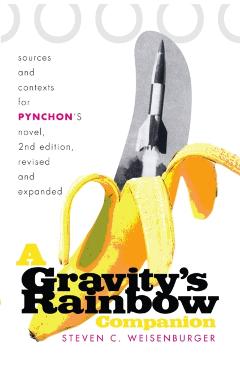
A Gravity's Rainbow Companion: Sources and Contexts for Pynchon's Novel - Steven Weisenburger
\n \nAdding some 20 percent to the original content, this is a completely updated edition of Steven Weisenburger's indi…
326,02 lei 362,24 lei