
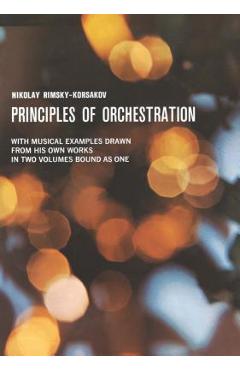
Principles of Orchestration - Nikolai Rimsky-korsakov
167,12 lei185,69 lei
Ai ajuns la un produs concret. Îți pot spune rapid dacă merită, ce avantaje are și ce alternative similare găsești mai ușor.
Pe scurt: \nTo orchestrate is to create, and this cannot be taught, wrote Nikolay Rimsky-Korsakov, the great Russian composer whose genius for brilliant, highly colored orchestration is unsurpassed. But invention, in all art, is…
- Îți pot recomanda rapid produse similare sau alternative mai bune din aceeași zonă.
- Dacă nu e exact ce cauți, putem restrânge imediat opțiunile în funcție de preț, utilizare sau stil.
- Poți deschide oferta din magazin sau poți continua aici conversația pentru comparații și recomandări.
Detalii despre produs
Produse similare pe care le poți explora

Hold to a Dream: A Newgrass Odyssey - John Cowan
\nFor over forty years, John Cowan has been both a participant in and chronicler of country and bluegrass music history…
214,51 lei 238,34 lei

Ukulele for Kids: How to Play the Ukulele with 45 Songs. First Book + Audio and Video - Albina Muradymova
Easy ukulele learning for kids of all ages step by step with audio and videos included. \nThis is a great first book ch…
90,60 lei 100,67 lei

Swift-O-Graphics: Your Favorite Pop Star in Over 120 Infographics - Megan Mccluskey
Megan McCluskey is a writer from Brooklyn, NY, who has spent the past ten years reporting on TV, movies, books, and, of…
116,58 lei 129,53 lei
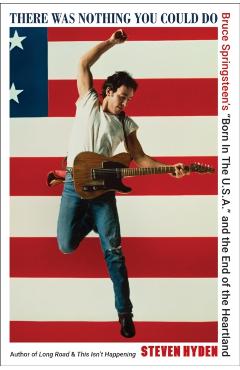
There Was Nothing You Could Do: Bruce Springsteen's Born in the U.S.A. and the End of the Heartland - Steven Hyden
A thought-provoking exploration of Bruce Springsteen's iconic album, Born in the U.S.A.--a record that both chronicled…
181,44 lei 201,60 lei
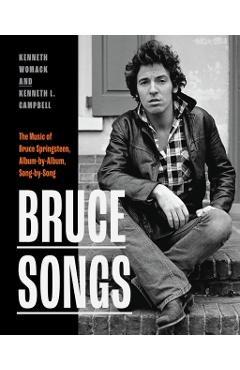
Bruce Songs: The Music of Bruce Springsteen, Album-By-Album, Song-By-Song - Kenneth Womack
Winner, 2025 RUSA Outstanding Reference Award \nBruce Songs is an authoritative guide that offers an in-depth explorati…
437,40 lei 486,00 lei

The Decade That Rocked: The Photography of Mark Weissguy Weiss (Heavy Metal, Rock, Photography, Biography, Gifts for Heavy Metal Fans) - Mark Weiss
\nI have read pretty much every rock 'n' roll biography there is worth reading, and you never know what to expect when…
279,00 lei 310,00 lei