

Roelof Louw and British Sculpture
32,99 lei82,48 lei
Ai ajuns la un produs concret. Îți pot spune rapid dacă merită, ce avantaje are și ce alternative similare găsești mai ușor.
Pe scurt: Roelof Louw (1936-2017) made sculpture from wooden slats, cast-iron wedges, sand-blasted scaffolding poles, rope and neon. He made installations using industrial rubber bands, rolled-up lead sheets, or using tape record…
- Îți pot recomanda rapid produse similare sau alternative mai bune din aceeași zonă.
- Dacă nu e exact ce cauți, putem restrânge imediat opțiunile în funcție de preț, utilizare sau stil.
- Poți deschide oferta din magazin sau poți continua aici conversația pentru comparații și recomandări.
Detalii despre produs
Produse similare pe care le poți explora

Yoga
In Yoga: A Guide to the Teachings and Practices, acclaimed spiritual expert David Frawley introduces the reader to the…
13,98 lei 34,97 lei

Cincinnati Silver, 1788-1940, Amy M. Dehan
"From elegant tea sets to grand goblets, splendid platters and snuff boxes, the Cincinnati Art Museum holds over 400 pi…
86,99 lei 217,48 lei

DY:001: San Vol. 1 (Die Young)
The Die Young collection is a selection of books with a single artist or a collective as the protagonist, all of them n…
8,99 lei 22,48 lei

Howardena Pindell
"An exploration of the life and work of the African American female artist, Howardena Pindell"--
65,99 lei 164,98 lei

Great Artists: Spot the Difference
Does the pitchfork in Grand Wood's American Gothic look slightly more menacing? What new fruits are adorning the empero…
27,99 lei 69,98 lei
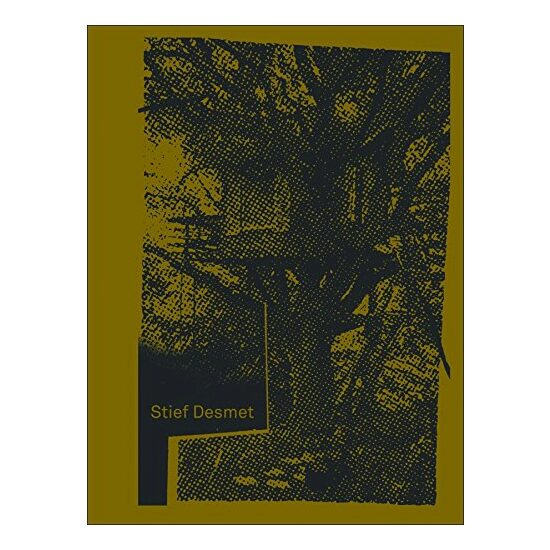
Stief Desmet
• An insightful look in to the multifaceted work of rising Belgian painter and sculptor, Stief Desmet• Desmet's works a…
65,99 lei 164,98 lei