

Tempting Fate: Why Nonnuclear States Confront Nuclear Opponents - Paul C. Avey
224,78 lei249,75 lei
Ai ajuns la un produs concret. Îți pot spune rapid dacă merită, ce avantaje are și ce alternative similare găsești mai ușor.
Pe scurt: \n \nWhy would countries without nuclear weapons even think about fighting nuclear-armed opponents? A simple answer is that no one believes nuclear weapons will be used. But that answer fails to consider why nonnuclear…
- Îți pot recomanda rapid produse similare sau alternative mai bune din aceeași zonă.
- Dacă nu e exact ce cauți, putem restrânge imediat opțiunile în funcție de preț, utilizare sau stil.
- Poți deschide oferta din magazin sau poți continua aici conversația pentru comparații și recomandări.
Detalii despre produs
Produse similare pe care le poți explora

The Social Basis of the Female Question - Alexandra Kollontai
\nThe first full-length English translation of the 1909 book from the revolutionary Russian Marxist feminist Alexandra…
175,43 lei 194,92 lei

Wealth, Poverty and Politics - Thomas Sowell
\nA revised and enlarged edition of Thomas Sowell's essential examination of differences of wealth and income between n…
226,80 lei 252,00 lei
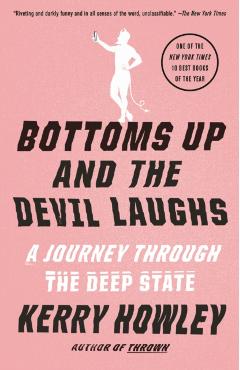
Bottoms Up and the Devil Laughs: A Journey Through the Deep State - Kerry Howley
A NEW YORK TIMES TOP TEN BOOK OF THE YEAR - A wild, humane, and hilarious meditation on post-privacy America--from the…
100,44 lei 111,60 lei

The Making Of Global Capitalism: The Political Economy Of American Empire - Sam Gindin
\nThe all-encompassing embrace of world capitalism at the beginning of the twenty-first century was generally attribute…
208,03 lei 231,14 lei

Threat Multiplier: Climate, Military Leadership, and the Fight for Global Security - Sherri Goodman
Threat Multiplier takes us onto the battlefield and inside the Pentagon to show how the US military is confronting the…
195,30 lei 217,00 lei
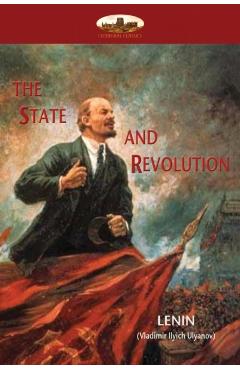
The State and Revolution: Lenin's explanation of Communist Society - Lenin
\n \nWritten at the time of the Russian February 1917 Revolution, before the Bolshevik take-over in October, this is Le…
68,82 lei 76,47 lei