
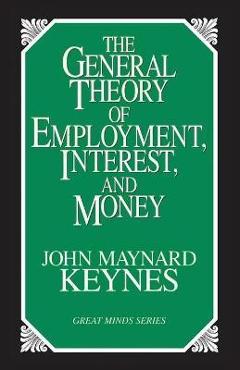
The General Theory of Employment, Interest, and Money - John Maynard Keynes
101,12 lei112,36 lei
Ai ajuns la un produs concret. Îți pot spune rapid dacă merită, ce avantaje are și ce alternative similare găsești mai ușor.
Pe scurt: John Maynard Keynes was born in Cambridge, England, on July 5, 1883. His father, John Neville Keynes, was a professor and administrator at Cambridge University and himself the author of The Scope and Methods of Politica…
- Îți pot recomanda rapid produse similare sau alternative mai bune din aceeași zonă.
- Dacă nu e exact ce cauți, putem restrânge imediat opțiunile în funcție de preț, utilizare sau stil.
- Poți deschide oferta din magazin sau poți continua aici conversația pentru comparații și recomandări.
Detalii despre produs
Produse similare pe care le poți explora
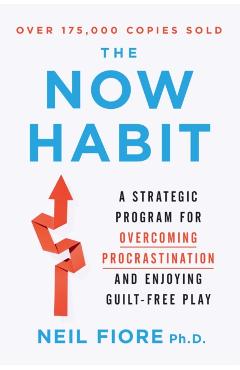
Now Habit
Learn how to overcome procrastination and enjoy guilt-free play! One of the most effective programs to combat procrasti…
100,44 lei 111,60 lei
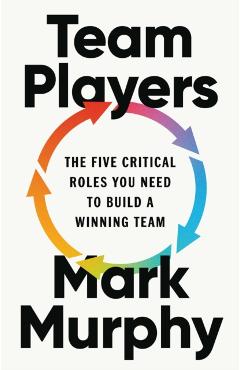
Team Players: The Five Critical Roles You Need to Build a Winning Team - Mark Murphy
A New York Times-bestselling author shows you how to build the most successful team \n The conventional wisdom is wrong…
167,40 lei 186,00 lei
![Practical Time Series Forecasting with R: A Hands-On Guide [2nd Edition] - Kenneth C. Lichtendahl Jr](https://www.libris.ro/img/pozeprod/14996/14995189-1-small-1.jpg?ver=1783356304)
Practical Time Series Forecasting with R: A Hands-On Guide [2nd Edition] - Kenneth C. Lichtendahl Jr
Practical Time Series Forecasting with R: A Hands-On Guide, Second Edition provides an applied approach to time-series…
208,55 lei 231,72 lei

Trading Mastery- 4 Books in 1: Trade for a Living, Trade Options, Trade Forex, Stock Market Investing - Bryan Lee
\n \nHave you ever Heard about day trading? \n \nHave you ever considered giving it a go yourself? \n \nDo you know whe…
195,30 lei 217,00 lei
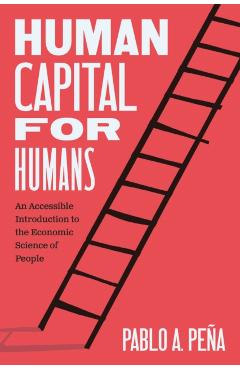
Human Capital for Humans: An Accessible Introduction to the Economic Science of People - Pablo A. Peña
Peña, Pablo A.: - Pablo A. Peña is assistant instructional professor in the Kenneth C. Griffin Department of Economics…
172,80 lei 192,00 lei
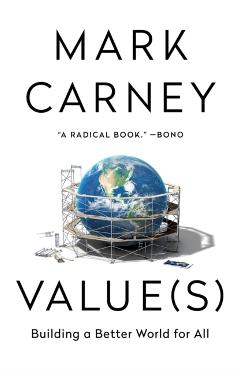
Value(s): Building a Better World for All - Mark Carney
Mark Carney is an economist and banker. He is currently serving as the UN Special Envoy on Climate Action and Finance.…
279,00 lei 310,00 lei